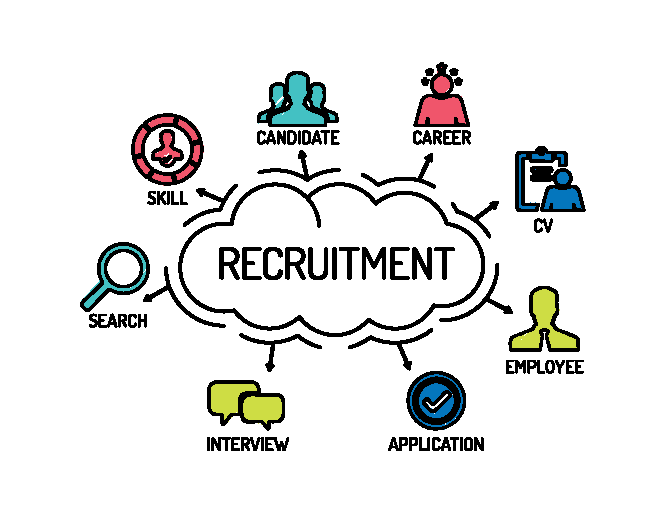
In today’s competitive Nigerian business environment, investing in your current workforce is one of the smartest strategies for sustainable growth. At Pelican Staffing Nigeria, we understand that building a resilient, skilled team doesn’t always require expensive external hires. By focusing on human capital development through on-the-job learning, you can upskill employees, boost productivity, improve retention, and drive innovation, all while keeping operations running smoothly.

Here are practical, easy-to-implement ideas to help your employees develop new skills without disrupting daily work:

1. On-the-Job Training (OJT) – Learn by Doing: The most straightforward way to build skills is through real-world application. Assign employees new responsibilities or stretch assignments that align with their current roles.

Examples:
– Pair a junior accountant with a senior colleague for joint financial reporting tasks.
– Let customer service reps shadow sales teams to understand the full client journey.

Tip: Set clear learning objectives and provide regular feedback. This approach is cost-effective and delivers immediate results.

2. Cross-Functional Projects and Job Rotation: Break down silos by involving employees in projects outside their usual departments. This exposes them to new perspectives, tools, and workflows.

Ideas:
– Create mixed teams for process improvement initiatives.
– Implement short-term job rotations (e.g., 4–8 weeks) where employees temporarily switch roles.

This method builds versatility and prepares your team for future leadership roles.

3. Mentoring and Coaching Programs: Pair experienced staff with emerging talent for knowledge transfer.

How to start:
– Launch an internal mentorship program with monthly check-ins.
– Encourage reverse mentoring, where younger employees teach digital skills to seniors.
– Use simple tools like shared Google Docs or Microsoft Teams for goal tracking.

Mentoring fosters a culture of continuous learning and strengthens team bonds.

4. Microlearning and Bite-Sized Online Resources: Busy schedules in Nigeria’s dynamic economy make long training sessions impractical. Opt for short, focused learning moments.

Practical options:
– Subscribe to affordable platforms like Coursera, LinkedIn Learning, or local options tailored to Nigerian businesses.
– Dedicate 30 minutes per week during work hours for skill-building videos or modules.
– Share industry articles, podcasts, or webinars relevant to your sector (e.g., supply chain, HR, or tech).

Employees can learn at their own pace without leaving their desks.

5. Skills-Based Workshops and Lunch-and-Learns: Organize internal sessions where team members or external experts share knowledge.

Themes to consider:
– Digital literacy and tools like Excel, Power BI, or basic AI.
– Soft skills: Communication, leadership, and customer service excellence.
– Sector-specific training relevant to staffing, logistics, or client management.

Keep them short (45–60 minutes) and interactive for better engagement.

6. Job Shadowing and Stretch Assignments: Give employees opportunities to observe and participate in higher-level tasks. This builds confidence and reveals hidden talents within your team—reducing the need for external recruitment.

7. Personalized Development Plans: Work with each employee to create Individual Development Plans (IDPs) tied to business goals.

Key steps:
– Conduct skills gap assessments.
– Align learning with career aspirations.
– Review progress quarterly.

This shows employees you value their growth, improving morale and loyalty.

Why This Matters for Your Business
– Higher Productivity & Innovation: Skilled employees work smarter and contribute fresh ideas.
– Better Retention: In Nigeria’s competitive talent market, development opportunities reduce turnover.
– Cost Savings: Growing your existing team is often cheaper than constant hiring.
– Future-Proofing: Adapt quickly to industry changes, technology, and economic shifts.

At Pelican Staffing Nigeria, we don’t just supply talent, we help businesses like yours optimize their human capital. Whether you need support with recruitment, staff augmentation, or designing effective training programs, our team is here to help you build a stronger, more capable workforce.

Ready to invest in your team’s growth? Contact us today to discuss tailored workforce solutions that drive real results.

Nigeria’s official unemployment rate remains relatively low, with recent National Bureau of Statistics (NBS) data and projections indicating figures around 4–5% heading into 2026. However, this headline number masks a more pressing reality: widespread underemployment. A significant portion of the working population is employed but in roles that offer insufficient hours, inadequate pay, limited job security, or poor alignment with their skills and qualifications.

Underemployment is particularly evident in the informal sector, which accounts for over 90% of employment in Nigeria. These jobs range from street vending and motorcycle transport to small-scale retail and casual labour, often lack formal contracts, social protections, pension contributions, or predictable income. Many workers are underemployed in terms of time (wanting more hours but unable to secure them) or skills (performing tasks well below their level of education or experience). This includes graduates in low-skilled service roles and experienced professionals who accept temporary or part-time work to meet basic needs.

In 2026, several factors are intensifying the challenge:

  • Persistent inflation continues to erode purchasing power, making low-wage jobs increasingly unsustainable.
  • Recent tax reforms, including changes to personal income tax thresholds and benefit taxation, add administrative and financial pressure on both workers and employers.
  • Businesses frequently report difficulty sourcing qualified talent, even as large numbers of skilled individuals remain underutilised in suboptimal roles.
  • Demographic pressures, particularly among the youth entering the labour market annually, amplify the need for quality job creation to prevent long-term economic and social strain.

Underemployment represents a significant waste of human capital. It limits individual earning potential, reduces household stability, constrains business productivity, and slows national economic progress.

Addressing this issue requires deliberate, multi-stakeholder action:

  1. Prioritise practical, demand-driven skills development in high-growth sectors such as digital technologies, agriculture modernisation, logistics, and renewable energy. Training programmes should focus on immediate employability and measurable outcomes.
  2. Support the transition of informal businesses to the formal economy through simplified registration processes, targeted tax incentives, and improved access to credit and business advisory services.
  3. Provide targeted support for informal and gig workers, including access to micro-insurance, financial literacy, and tools to scale small enterprises into sustainable operations.
  4. Encourage skills-based rather than credentials-based recruitment. Employers should assess actual competencies and potential, enabling underemployed individuals to access roles that match their capabilities.
  5. Foster collaboration between the government, private sector, and development partners to expand job creation in strategic industries, including technology, manufacturing, and green sectors.

At Pelican Staffing Solutions, we actively address these challenges by connecting businesses with qualified candidates who have been overlooked or underutilised due to underemployment. Our recruitment, training, and flexible staffing services help organisations build capable teams while enabling individuals to transition into roles that offer fair compensation, growth opportunities, and job security.

Nigeria possesses a talented and resilient workforce. By confronting underemployment directly, through better skills alignment, formalisation efforts, and inclusive hiring practices, we can convert hidden challenges into sustainable economic opportunities for individuals, businesses, and the nation.

If your organisation is facing talent acquisition difficulties or if you are seeking pathways out of underemployment, we invite you to contact us. Visit pelicanstaffingnigeria.com to discuss how we can support your workforce goals in 2026.

Organisations thrive when their employees are empowered with the skills, knowledge, and support they need to excel. Human capital development is more than training; it is a continuous investment in the intellectual, emotional, and professional capacity of employees. Pelican Staffing Solutions understands that sustainable organisational growth begins with a strong, capable, and future-ready workforce.

Pelican Staffing Solutions’ Approach to Unlocking Employee Potential

  1. Tailored Talent Development Programs
    Pelican Staffing Solutions designs customised development programs that align with a company’s goals, culture, and industry demands. From leadership grooming to technical upskilling, the focus is always on creating programs that genuinely improve performance.

  2. Performance-Driven Recruitment
    Pelican goes beyond CVs and job descriptions by utilising assessment-based recruitment to match candidates not only to roles, but also to organisational culture and long-term growth paths. This ensures companies build teams that are competent, motivated, and aligned with business objectives.

  3. Continuous Learning and Skill Enhancement
    Pelican Staffing Solutions offers continuous learning opportunities, workshops, online modules, and skill-based courses to help teams stay relevant and productive in a rapidly changing workplace.

  4. Leadership and Career Path Development
    Pelican helps organisations identify emerging leaders and equips them with the tools to manage teams, make informed decisions, and drive innovation. Clear career paths also keep employees motivated and reduce turnover.

  5. Workplace Culture Transformation
    Pelican works with organisations to build positive, inclusive, and growth-oriented environments where employees feel valued, supported, and inspired to perform at their best.

Organisations that invest in human capital development enjoy higher productivity, stronger employee retention, improved innovation, better customer satisfaction, increased profitability, and long-term sustainable growth. When employees are empowered, businesses thrive. Unlocking employee potential is not a one-time project; it is a long-term commitment to building a skilled, confident, and motivated workforce.

Pelican Staffing Solutions is dedicated to helping organisations achieve this by offering strategic human capital solutions that strengthen performance and drive sustainable growth. In a world where talent remains the strongest competitive advantage, Pelican Staffing Solutions ensures your people become your greatest asset.

The world of hiring has undergone a complete transformation, with technology at its centre. Companies are no longer relying solely on manual CV sorting, physical interviews, and lengthy back-and-forth communication. Today, digital tools have introduced speed, accuracy, and structure that make recruitment far more efficient than it used to be.

One of the biggest shifts is the rise of automation tools. Many organisations now use Applicant Tracking Systems (ATS) to collect, organise, and filter applications. Instead of reading through hundreds of CVs one by one, recruiters can instantly shortlist candidates based on skills, experience, or keywords. This helps companies save time and ensures strong candidates don’t get missed.

Another major change is the widespread use of online job platforms. A company can post a job today and receive applications from thousands of people within hours. Recruitment has expanded beyond local reach, and employers can now attract talent from anywhere in the world. Job seekers also have more access to opportunities than ever before.

Artificial intelligence is also becoming a powerful tool in recruitment. AI-driven assessments can evaluate candidates’ abilities, analyse their problem-solving skills, and even predict how well they may perform in certain roles. This reduces bias and helps employers make smarter hiring decisions based on data rather than assumptions.

Video interviews have also transformed the interview process. Instead of spending days scheduling physical meetings, companies can now conduct interviews remotely and efficiently. This has made it easier to hire across borders and has reduced the cost and time associated with traditional interviews.

Social media has quietly become a strong recruitment channel as well. Platforms like LinkedIn, Instagram, and even TikTok are now used to discover talent, showcase company culture, and share job opportunities. Many recruiters use social profiles and online portfolios to understand a candidate’s personality, interests, and work style.

Finally, data analytics is helping companies improve their hiring strategies. By tracking where the best candidates come from, how long each recruitment stage takes, or which skills are most in demand, organisations can refine their approach and build a more effective recruitment process.

Overall, technology has not replaced human recruitment — it has strengthened it. It has given companies faster processes, better insights, and wider talent pools. For job seekers, it has created more opportunities, more transparency, and a more modern hiring experience. As digital tools continue to evolve, the recruitment process will only become smarter, more accurate, and more candidate-friendly.

Finding the right people for your team is hard work. But keeping them? That’s even harder and far more important. Many businesses spend time and money hiring and training new staff, only to lose them to another company a few months or years later. When that happens, the business doesn’t just lose a worker; it loses time, experience, and energy.

Here’s why keeping good employees should be at the top of every employer’s list.

  1. Losing People Is Expensive
    When a staff member leaves, it costs more than most employers realize. You have to spend money advertising the job, interviewing, and training someone new. And also, the team loses rhythm, projects slow down, and morale drops. Sometimes, the people who stay behind feel stressed because they have to do extra work until a replacement is found.
  2. Loyal Employees Work Better
    People who stay longer understand how things work. They know the customers, the systems, and the company culture. Because they feel comfortable and valued, they naturally do their jobs better. A stable team is often more productive, creative, and confident.
  3. It Improves the Company’s Reputation
    Happy employees talk, and so do unhappy ones. When people enjoy working at a company, others want to join too. But when there’s constant turnover, word spreads quickly. Building a good reputation as a place where people love to work attracts even better talent in the future.
  4. Happy Staff = Happy Customers
    When employees feel appreciated and respected, they treat customers better. They care about doing a good job because they care about the company. That leads to better customer service, stronger relationships, and repeat business.
  5. How to Keep Good People
  • Say thank you often: People stay where they feel appreciated.
  • Give room to grow: Offer learning and promotion opportunities.
  • Be flexible: Life happens, a bit of understanding goes a long way.
  • Listen: Ask for feedback and act on it.
  • Create a positive space: A good work environment makes people look forward to coming in.

Final Thoughts
Employees don’t just work for a company, they help build it. When employers focus on keeping their people happy, everyone wins. Productivity improves, the team gets stronger, and the business grows faster.

At the end of the day, it’s simple: treat your people well, and they’ll stay.

Hiring the right people is not just about filling a job opening; it’s about finding the right fit for your company. At Pelican Staffing Solutions Nigeria Limited, we believe that good hiring starts with strong partnerships. We don’t just work for our clients; we work with them. Our goal is simple: to make hiring easier, faster, and more effective through teamwork and understanding.

What Is a Recruitment Partnership?

A recruitment partnership involves working closely with a company to help them find and retain the right talent. It’s not a one-time service; it’s a long-term relationship built on trust, communication, and shared goals. When a staffing company like Pelican works as a true partner, employers can hire faster and with less stress, get candidates that fit their team and company culture, reduce the cost and time of repeated hiring, and improve employee satisfaction and performance.

The Pelican Way: How We Work with You

At Pelican Staffing Solutions, our recruitment process is built on teamwork. We collaborate closely with your company’s HR or management team throughout the entire process.

  1. We Understand Your Needs
    Before hiring starts, we take time to learn about your business, work environment, and the type of people you need. This helps us find the best match for your team.

  2. We Work Side by Side
    Our recruiters work closely with your team, both onsite and remotely, to make sure every hiring step fits your goals. This helps us save time and get better results.

  3. We Customize Every Solution
    No two businesses are the same. That’s why we design staffing plans that fit your company’s specific needs — whether you need short-term staff, permanent hires, or skilled professionals.

  4. We Stay With You After Hiring
    Our partnership doesn’t stop once we place a candidate. We continue to support your team through training, feedback, and follow-up to ensure long-term success.

Why Strong Partnerships Matter

In Nigeria’s fast-growing job market, having a trusted staffing partner makes a big difference. When companies and recruiters work together as partners, they enjoy better hiring results, less employee turnover, and stronger, happier teams. At Pelican Staffing Solutions, we see every client as a partner — and every hire as an opportunity to build success together.

Conclusion

Strong recruitment partnerships help businesses grow with the right people. At Pelican Staffing Solutions Nigeria Limited, we are committed to working hand in hand with companies to provide reliable and customized staffing services in Nigeria. If you want a hiring process that truly works, partner with Pelican, where teamwork creates success.

Let’s build your team — together.
Contact Pelican Staffing Solutions Nigeria Limited today for trusted and professional staffing services.
0809 403 3449 | Email info@pelicanstaffingnigeria.com