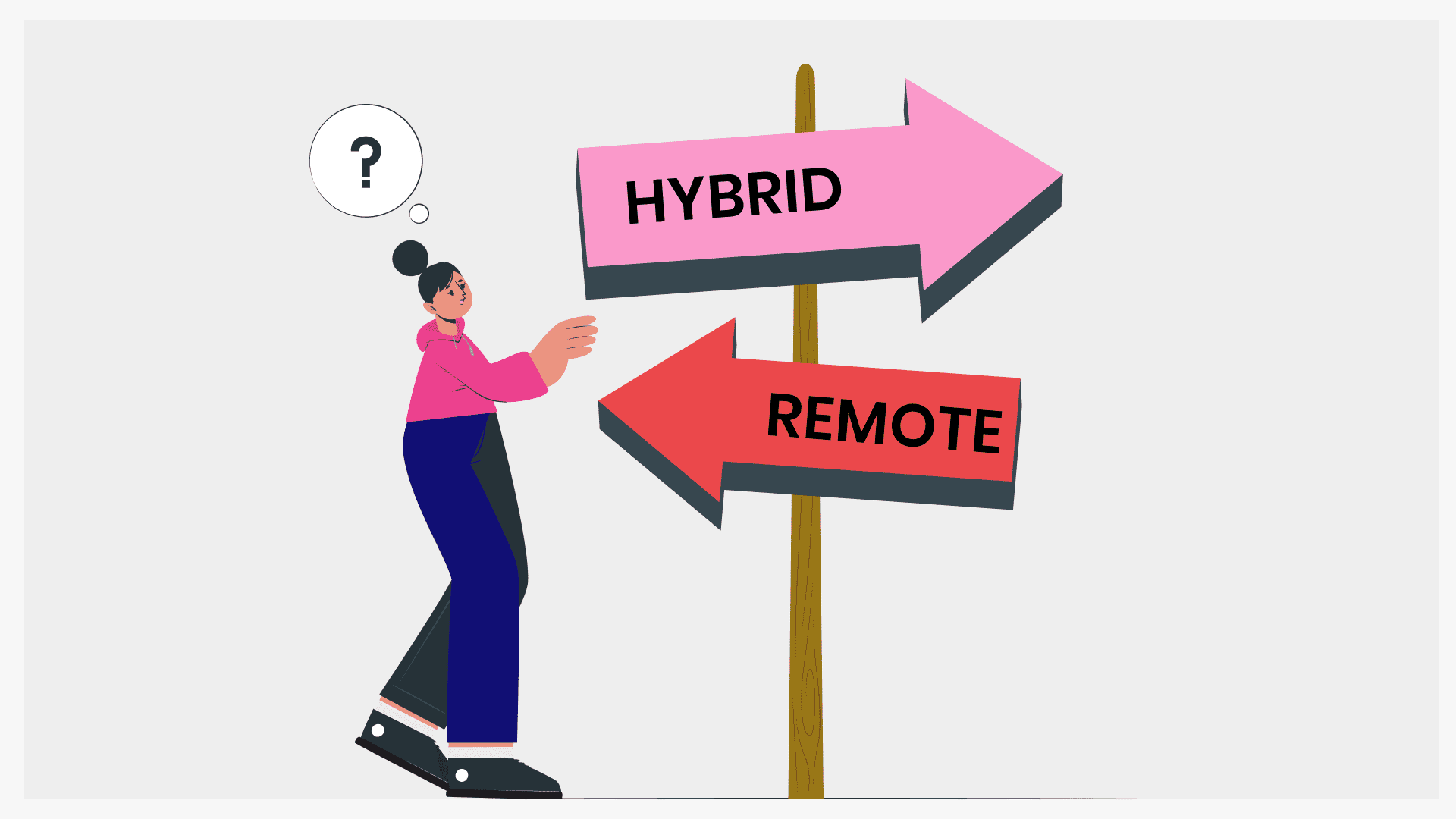
In today’s competitive Nigerian business environment, attracting talent is only half the battle. Keeping that talent is what determines long-term success. High employee turnover drains resources, disrupts operations, and erodes institutional knowledge. For employers, prioritising employee retention is no longer optional, it is a core HR strategy that directly impacts productivity, culture, and profitability.

The True Cost of Losing Talent

Replacing an employee is expensive. Globally and in Nigeria, the cost typically ranges from 50% to 200% of an employee’s annual salary when factoring in recruitment fees, advertising, interviewing time, onboarding, training, and lost productivity during the ramp-up period. In some specialised or senior roles, the figure climbs even higher. Indirect costs such as reduced team morale, knowledge loss, and disrupted customer relationships compound the damage.

Nigeria’s labour market adds further pressure. Many organisations face elevated turnover, especially among skilled professionals and younger workers. Factors like better offers elsewhere, limited career progression, and workplace culture issues rank among the top reasons people leave. When top performers exit, the remaining team often absorbs extra workload, increasing the risk of burnout and further departures. The result is a costly cycle that stalls growth.

Why Retention Matters More Than Ever

Strong employee retention delivers clear advantages:

  • Cost savings: Reducing turnover frees budget that would otherwise go toward constant hiring and training.
  • Stronger workplace culture: Stable teams build trust, collaboration, and institutional knowledge that new hires take time to develop.
  • Higher productivity and engagement: Employees who feel valued and see a future with the organisation contribute more consistently.
  • Competitive edge: Companies known for retaining talent attract better candidates and reduce the time-to-fill for critical roles.
  • Business continuity: Knowledge stays in-house, projects progress without interruption, and customer relationships remain intact.

In short, retention is not just an HR metric. It is a strategic business imperative.

Building a Workplace Culture That Keeps Talent

  • Competitive and transparent compensation: Pay and benefits remain foundational. Regular market reviews, clear salary structures, and meaningful non-cash rewards help employees feel fairly treated.
  • Clear career pathways: Employees stay longer when they can see growth opportunities. Defined progression routes, internal mobility, and skills development programmes reduce the pull of external offers.
  • Meaningful engagement and recognition: Regular feedback, recognition of contributions, and open communication make people feel seen. Managers who invest in coaching and development create stronger loyalty.
  • Work-life balance and flexibility: Where possible, flexible arrangements and support for wellbeing address one of the growing reasons employees leave.
  • Strong onboarding and continuous development: A structured start and ongoing training signal that the organisation is invested in the employee’s success and not just filling a seat.

These elements work together because a positive workplace culture reinforces every other retention effort and turns employees into advocates.

How Pelican Staffing Solutions Supports Sustainable Retention

At Pelican Staffing Solutions Nigeria, we understand that hiring the right people is only the beginning. Sustainable retention requires ongoing partnership. As a human capital development company, we help organisations move beyond transactional recruitment to long-term workforce strategies.

Our approach includes:

  • Right-fit recruitment: Careful screening that considers skills, cultural fit, and long-term potential reduces early turnover.
  • Workforce development and training: We support clients with programmes that upskill existing teams, close skills gaps, and create clear growth paths.
  • Strategic workforce management: From permanent placements to flexible staffing models, we help design talent strategies aligned with business goals.
  • Partnership mindset: We work as an extension of your team, understand your culture, and help you build practices that keep top performers engaged.

By combining quality hiring with capacity-building support, Pelican helps organisations implement retention practices that last.

Make Retention a Priority Today

Talent retention is every employer’s priority because the alternative is continuous disruption and unnecessary cost. Organisations that invest in workplace culture, clear HR strategy, and people development build stronger, more resilient teams.

If you are ready to strengthen your approach to employee retention and build a workforce that stays and thrives, partner with Pelican Staffing Solutions Nigeria. We help you attract the right people and create the conditions that keep them.


In today’s competitive Nigerian business environment, investing in your current workforce is one of the smartest strategies for sustainable growth. At Pelican Staffing Nigeria, we understand that building a resilient, skilled team doesn’t always require expensive external hires. By focusing on human capital development through on-the-job learning, you can upskill employees, boost productivity, improve retention, and drive innovation, all while keeping operations running smoothly.

Here are practical, easy-to-implement ideas to help your employees develop new skills without disrupting daily work:

1. On-the-Job Training (OJT) – Learn by Doing: The most straightforward way to build skills is through real-world application. Assign employees new responsibilities or stretch assignments that align with their current roles.

Examples:
– Pair a junior accountant with a senior colleague for joint financial reporting tasks.
– Let customer service reps shadow sales teams to understand the full client journey.

Tip: Set clear learning objectives and provide regular feedback. This approach is cost-effective and delivers immediate results.

2. Cross-Functional Projects and Job Rotation: Break down silos by involving employees in projects outside their usual departments. This exposes them to new perspectives, tools, and workflows.

Ideas:
– Create mixed teams for process improvement initiatives.
– Implement short-term job rotations (e.g., 4–8 weeks) where employees temporarily switch roles.

This method builds versatility and prepares your team for future leadership roles.

3. Mentoring and Coaching Programs: Pair experienced staff with emerging talent for knowledge transfer.

How to start:
– Launch an internal mentorship program with monthly check-ins.
– Encourage reverse mentoring, where younger employees teach digital skills to seniors.
– Use simple tools like shared Google Docs or Microsoft Teams for goal tracking.

Mentoring fosters a culture of continuous learning and strengthens team bonds.

4. Microlearning and Bite-Sized Online Resources: Busy schedules in Nigeria’s dynamic economy make long training sessions impractical. Opt for short, focused learning moments.

Practical options:
– Subscribe to affordable platforms like Coursera, LinkedIn Learning, or local options tailored to Nigerian businesses.
– Dedicate 30 minutes per week during work hours for skill-building videos or modules.
– Share industry articles, podcasts, or webinars relevant to your sector (e.g., supply chain, HR, or tech).

Employees can learn at their own pace without leaving their desks.

5. Skills-Based Workshops and Lunch-and-Learns: Organize internal sessions where team members or external experts share knowledge.

Themes to consider:
– Digital literacy and tools like Excel, Power BI, or basic AI.
– Soft skills: Communication, leadership, and customer service excellence.
– Sector-specific training relevant to staffing, logistics, or client management.

Keep them short (45–60 minutes) and interactive for better engagement.

6. Job Shadowing and Stretch Assignments: Give employees opportunities to observe and participate in higher-level tasks. This builds confidence and reveals hidden talents within your team—reducing the need for external recruitment.

7. Personalized Development Plans: Work with each employee to create Individual Development Plans (IDPs) tied to business goals.

Key steps:
– Conduct skills gap assessments.
– Align learning with career aspirations.
– Review progress quarterly.

This shows employees you value their growth, improving morale and loyalty.

Why This Matters for Your Business
– Higher Productivity & Innovation: Skilled employees work smarter and contribute fresh ideas.
– Better Retention: In Nigeria’s competitive talent market, development opportunities reduce turnover.
– Cost Savings: Growing your existing team is often cheaper than constant hiring.
– Future-Proofing: Adapt quickly to industry changes, technology, and economic shifts.

At Pelican Staffing Nigeria, we don’t just supply talent, we help businesses like yours optimize their human capital. Whether you need support with recruitment, staff augmentation, or designing effective training programs, our team is here to help you build a stronger, more capable workforce.

Ready to invest in your team’s growth? Contact us today to discuss tailored workforce solutions that drive real results.

In Nigeria’s competitive job market, candidates are more informed and selective than ever. One powerful way employers can stand out and build immediate trust is through pay transparency openly sharing salary ranges in job postings and discussions. At Pelican Staffing Nigeria, we see firsthand how this practice transforms recruitment, reduces wasted time, and attracts higher-quality talent.

Pay transparency simply means being upfront about compensation. This includes listing realistic salary ranges in job adverts, explaining how pay is determined (based on experience, skills, location, and performance), and discussing total rewards (benefits, bonuses, allowances) early in the hiring process. It’s not about revealing individual salaries but providing clear expectations so candidates can make informed decisions.

REASONS WHY PAY TRANSPARENCY MATTERS:

1. It Attracts the Right Candidates:
Many job seekers in Nigeria now skip roles without salary information. By sharing a range upfront, you draw applicants whose expectations align with what you offer. This leads to a stronger, more targeted talent pool and fewer mismatches.

2. It Saves Time for Everyone:
Transparent postings reduce the back-and-forth in negotiations. Candidates who know the range are less likely to withdraw late in the process, speeding up hiring and lowering recruitment costs.

3. It Builds Trust and Employer Brand:
Openness signals fairness and confidence in your compensation structure. Candidates perceive transparent companies as more ethical and employee-focused, which improves your reputation in the market.

4. It Promotes Fairness and Reduces Bias:
When pay ranges are visible, it helps minimize unconscious bias in negotiations. It empowers candidates — especially women and underrepresented groups — to negotiate confidently and supports broader efforts toward pay equity in Nigeria’s workforce.

5. It Improves Retention from Day One:
Employees who join with clear expectations about pay and growth are more engaged and less likely to leave quickly. Transparency sets a foundation of trust that carries through the employment relationship.

HOW TO TALK ABOUT PAY TRANSPARENCY EFFECTIVELY:

– Include Ranges in Job Postings:
Example: “Salary Range: ₦250,000 – ₦400,000 monthly (depending on experience and qualifications), plus benefits.”

– Provide Context:
Explain what influences placement within the range: years of experience, specific skills, certifications, or location adjustments. This shows your process is thoughtful and merit-based.

– Discuss Total Compensation:
Highlight benefits like health insurance, pension contributions, transport allowances, performance bonuses, training opportunities, and paid leave. In Nigeria’s market, these elements often matter as much as base pay.

– Be Honest and Consistent:
Stick to the posted range. If adjustments are needed, communicate them transparently with clear reasons.

– Train Your Hiring Team:
Ensure recruiters and managers are comfortable discussing compensation openly and can answer questions about pay philosophy.

At Pelican Staffing Nigeria, we help clients develop clear, competitive compensation strategies and craft transparent job postings that resonate with top talent across sectors like energy, telecom, finance, and more.

SUMMARY:

If you’re looking to optimize your recruitment process with better talent attraction strategies, including transparent compensation practices, Pelican Staffing Nigeria is here to help. We partner with organizations to source, screen, and place skilled professionals while supporting fair and effective hiring practices.

Pay transparency is no longer optional for forward-thinking employers; it’s a competitive advantage. In a candidate-driven market, being open about pay builds trust, speeds up hiring, improves match quality, and strengthens your employer brand.

Many professionals in Lagos want remote or hybrid roles with international clients. These opportunities offer better pay, flexibility, and exposure. Here is a clear, step-by-step guide to increase your chances.

1. Build In-Demand Skills
International clients look for practical, up-to-date skills. Focus on:
– Software development, data analysis, digital marketing, project management, customer support, or finance
– Tools like Microsoft 365, Google Workspace, Slack, Zoom, and industry-specific software
– Soft skills: clear communication, time management, and problem-solving

Take online courses on Coursera, Udemy, or LinkedIn Learning. Get certifications where possible. Update your skills regularly to stay competitive.

2. Create a Strong Professional Profile
– Resume/CV: Keep it one or two pages. Use simple language. Highlight achievements with numbers (e.g., “Increased sales by 30%”). Tailor it for each job.
– LinkedIn Profile: Use a professional photo, write a strong headline, and summarize your experience. Add keywords like “remote software developer Lagos” or “virtual project manager Nigeria”.
– Portfolio: For creative or technical roles, show your best work on GitHub, Behance, or a personal website.

3. Search for the Right Opportunities
– Use job boards that support international remote work: LinkedIn, Indeed (filter for remote), Crossover, and Wellfound.
– Set alerts for “remote”, “hybrid”, “worldwide remote”, or “EMEA remote”.
– Check the company career pages of US and European firms that hire globally.

4. Apply Effectively
– Apply to 10–20 roles per day in your niche.
– Customize your application for each position.
– Write short, clear cover letters or messages that explain why you are a good fit.
– Prepare for interviews: Practice English communication, research the company, and be ready to discuss time zone differences (Lagos is WAT).

5. Handle Common Challenges
– Time Zones: Show flexibility for overlapping hours with clients in Europe or the US.
– Payments: Be ready with Payoneer, Wise, or other international payment options.
– Reliability: Have a good internet connection, a quiet workspace, and backup power.
– Visa/Location: Many remote roles do not require relocation. Highlight your ability to work independently from Lagos.

Landing a remote or hybrid role with international clients from Lagos is very achievable. With the right skills, a strong profile, consistent effort, and the support of experienced recruiters, you can access better opportunities and higher earnings from Nigeria.

In Nigeria’s fast-evolving job market, a strong interview performance can set you apart in competitive sectors like fintech, oil & gas, telecommunications, banking, and tech. At Pelican Staffing Solutions, we’ve placed hundreds of professionals across Lagos, Abuja, Port Harcourt, and beyond. We see what works and what doesn’t day in, day out.

Here’s our practical, battle-tested guide to help you succeed in today’s Nigerian interview landscape.

1. Thorough Preparation: Do Your Homework
– Research the company deeply: Go beyond the “About Us” page. Follow their recent news on LinkedIn, Twitter/X, and local outlets like BusinessDay or Punch. Understand their challenges (e.g., naira volatility, regulatory changes, or expansion plans) and how your skills solve them.
– Understand the role and industry: Know key metrics in your field. A finance professional should speak fluently about IFRS, tax reforms, or CBN policies. Tech candidates should reference local realities like data localisation or fintech regulations.
– Prepare your STAR stories: Use the Situation-Task-Action-Result framework for behavioural questions. Nigerian recruiters love concrete examples with measurable outcomes (“I grew revenue by 35% in 18 months despite supply chain disruptions”).

Pro Tip: Prepare questions for them. Great ones include: “What does success look like in this role in the first 6 months?” or “How has the team adapted to recent economic shifts?”

2. Common Pitfalls That Cost Nigerian Candidates Jobs
– Arriving late or unprepared for traffic: Lagos and Abuja traffic is legendary. Always plan to arrive 30–45 minutes early. Blaming “hold-up” rarely impresses.
– Dressing inappropriately: Business formal is still safest in most traditional sectors (banking, oil & gas). For creative/tech roles, smart casual can work but never unkempt. Iron your clothes, polish your shoes, and keep accessories minimal.
– Badmouthing previous employers: This is a major red flag. Focus on what you learned and how you grew.
– Vague or generic answers: “I’m hardworking and a team player” is not enough. Back every claim with specifics.
– Salary discussion mishandling: Research current market rates (use data from Pelican Staffing reports or Jobberman). Have a realistic range ready, but don’t lead with money. Show genuine interest in the role first.
– Over-reliance on certificates without skills demonstration: Many candidates list skills on CVs they can’t defend in interviews.

3. Crushing Virtual Interviews (Now the Norm)
Hybrid and remote hiring exploded post-COVID and remains common, especially with multinationals and tech firms.

Technical Setup:
– Test your internet, lighting, and background at least 30 minutes before.
– Use a quiet space with good natural light facing you. A plain wall or professional virtual background works best.
– Have a power bank or backup internet (many candidates in Lagos use mobile data as backup due to PHCN issues).
– Dress fully professional from the waist up (and just in case, below too).

Virtual-Specific Behaviours:
– Look directly into the camera when speaking, not at the screen.
– Eliminate distractions, no eating, children interrupting, or loud generators in the background.
– Send a short thank-you email immediately after, referencing a specific discussion point.

Common Virtual Pitfalls: Poor connectivity excuses, camera off, or multitasking. These signal lack of seriousness.

4. What Truly Makes Candidates Stand Out
The candidates we successfully place consistently demonstrate these qualities:

– Cultural fit with confidence: Show you understand Nigerian workplace dynamics respect for hierarchy, resilience, and adaptability while bringing fresh ideas.
– Problem-solving mindset: Use examples of how you delivered results under pressure (power outages, naira devaluation, client demands).
– Digital fluency: Even non-tech roles expect comfort with tools like Microsoft 365, Slack, Google Workspace, or industry-specific software.
– Emotional intelligence: Handle panel interviews gracefully. Greet everyone, maintain eye contact, and show genuine enthusiasm.
– Follow-through: Send personalised thank-you notes within 24 hours. Reference something unique from the conversation.
– Local + Global perspective: The best candidates combine deep understanding of the Nigerian market with awareness of international best practices.

5. Final Day-of Tips
– Carry multiple copies of your CV, a notepad, and pen.
– Be authentic but professional Nigerian recruiters can spot rehearsed answers.
– Stay positive and energetic even if the interview runs long (common in senior roles).

Mastering interviews in Nigeria today requires preparation, authenticity, and adaptability. The economy may be challenging, but opportunities abound for candidates who present themselves as solutions rather than just job seekers.

At Pelican Staffing Solutions, we don’t just help you find jobs, we prepare you to win them. Connect with us for personalised interview coaching, CV reviews, and access to exclusive opportunities.

Scaling a business in Nigeria as an SME is exciting but challenging, especially when it comes to building the right team without overspending. Many Nigerian SMEs struggle with high turnover, compliance issues, and inefficient hiring that drains cash flow. The good news? Smart workforce planning can help you grow your headcount strategically, keep costs low, and avoid expensive mistakes.

This post explores practical, budget-friendly approaches to workforce planning tailored for Nigerian SMEs. We’ll cover cost-effective staffing, the role of managed HR services, and the most common pitfalls to dodge.

What Is Workforce Planning and Why Does It Matter for Nigerian SMEs?Workforce planning is forecasting your staffing needs based on business goals, then aligning talent acquisition, development, and retention to meet them efficiently. In Nigeria, where SMEs drive much of the economy but face inflation, naira fluctuations, talent competition (especially in Lagos and Abuja), and strict labor laws, poor planning leads to overstaffing (high payroll costs) or understaffing (lost opportunities).

Studies show positive links between good workforce planning—like succession planning and demand forecasting—and better organizational performance in Nigerian SMEs.

Cost-Effective Staffing Strategies for Nigerian SMEs

1. Adopt a Hybrid Workforce Model
Mix permanent staff with freelancers, contractors, or part-timers. For non-core roles (e.g., accounting, IT support, digital marketing), use gig platforms or remote talent. This reduces fixed costs like full benefits and office space.

2. Leverage Digital Recruitment
Use free or low-cost channels: LinkedIn, Jobberman, WhatsApp groups, Facebook/Instagram ads, or local job boards. Define clear job descriptions upfront to attract better fits and cut bad hires.

3. Focus on Multi-Skilled Hires and Training
Hire versatile people who can handle multiple roles. Invest modestly in online courses (Coursera, Google Skillshop) or internal cross-training to build capacity without new hires.

4. Outsource Non-Core Functions
Staff outsourcing (e.g., for payroll, admin, or customer service) cuts overhead. Many Nigerian providers offer affordable solutions tailored to SMEs.

5. Implement Performance-Based Incentives
Tie bonuses or profit-sharing to results instead of high base salaries. This motivates staff and aligns costs with revenue.

These strategies help control expenses while scaling—many SMEs see lower turnover and higher productivity.

Benefits include:
1. Compliance Assurance: Handle Nigerian Labour Act requirements, like written contracts within 3 months, PAYE taxes, pension contributions, and minimum wage.

2. Payroll and Admin: Automated systems reduce errors and save time.

3. Recruitment and Onboarding: Access vetted talent pools.

4. Cost Savings: Pay-as-you-go models or packages suit small budgets.

Outsourcing lets you focus on core business while staying compliant—vital in Nigeria’s evolving regulations.

Common Pitfalls to Avoid in Workforce Planning

1. Hiring Without Clear Job Descriptions or Processes: Leads to mismatches, quick turnover, and wasted onboarding time.

2. Skipping Written Contracts and Compliance:  Verbal hires or missing terms violate the Labour Act, risking fines, disputes, or legal issues (e.g., from EFCC or labor ministry probes).

3. Ignoring Onboarding and Retention: Poor induction causes early exits; high turnover (common in SMEs) costs 1-2x salary to replace.

4. Overlooking Payroll Accuracy and Statutory Deductions: Errors lead to penalties, employee distrust, or tax issues.

5. No Succession or Growth Planning: Scaling stalls when key roles lack backups or staff see no career path.

6. Reactive Hiring: Waiting until overwhelmed causes rushed, expensive decisions.

7. Avoid these by starting small: Draft basic policies, use templates for contracts, and review staffing quarterly against goals.

Effective workforce planning isn’t about hiring more; it’s about hiring right, staying flexible, and using resources wisely. By embracing cost-effective models, managed services, and avoiding compliance slips, Nigerian SMEs can build resilient teams that fuel sustainable growth.

Start today: Assess your current staffing gaps, explore an HR outsourcing consultation, and commit to written processes. What workforce challenges are you facing in your SME? Share in the comments!

Many Nigerian businesses want to grow fast in 2026. But they face a big problem: they can’t find workers with the right skills. This is called a skills gap. It affects companies a lot, and it’s getting worse.

Recent reports show the truth:

  • 65% of Nigerian employers say skills gaps prevent their businesses from changing and growing (from the Future of Jobs Report 2025 by the Lagos State Employment Trust Fund).
  • 85% of graduates don’t have basic digital skills, like using simple computer tools (reports from NITDA and others in 2025).
  • Nigeria loses about $11 billion every year in the tech and digital economy because there aren’t enough skilled people. Many companies struggle to fill jobs in tech, data, AI, cybersecurity, and even basic office work.

This means businesses lose money, projects get delayed, and they can’t compete well.

What Causes the Skills Gap in Nigeria?

It’s not just one reason. Here are the main ones:

  • Schools teach old things: Many focus on theory, not real job skills like using software, problem-solving, or teamwork.
  • Fast changes in jobs: Tech like AI and digital tools grow quickly, but training doesn’t keep up.
  • Not enough practical training: Young people finish school without hands-on experience.
  • People leave Nigeria (“Japa”): Skilled workers go abroad for better pay, leaving gaps here.
  • Poor access to good education and the internet in many areas, especially outside big cities like Lagos.

How This Affects Businesses Right Now

  • Slow hiring: It takes longer to find the right person.
  • Lower work quality: Teams without skills make more mistakes or work more slowly.
  • Higher costs: Companies spend extra on fixing problems or training from scratch.
  • Lost chances: Businesses miss growth in fast areas like tech, fintech, and manufacturing.
  • In 2026, reskilling (teaching new skills) and upskilling (improving current skills) will be top priorities for HR teams.

Simple Ways to Fix the Skills Gap

  1. Work with partners who know hiring and training, like a good staffing company that finds talent and trains them.
  2. Focus on real skills: Look for digital skills, soft skills (like communication), and job-ready experience, not just certificates.
  3. Offer training programs: Teach your team new things quickly, like computer tools or leadership.
  4. Use flexible hiring: Start with contract or temporary staff to test skills, then make them permanent.
  5. Build long-term plans: Invest in your people so they stay and grow with the business.

How Pelican Staffing Solutions Nigeria Can Help

We are your partner for fixing skills gaps. We do everything:

  • Find the right people fast
  • We match workers with the skills you need
  • Manage your team
  • We help scale up or down without stress
  • Train your staff
  • We run simple, practical programs to build job skills, digital skills, and soft skills.

Many Lagos businesses already work with us. They hire quicker, keep good workers longer, and grow more easily. In 2026, the companies that win will be the ones that invest in people smartly. Don’t wait for the problem to get bigger.

Ready to Close Your Skills Gap?

Contact Pelican Staffing Solutions today. Let’s talk about your business needs, hiring, training, or both.

The world of hiring has undergone a complete transformation, with technology at its centre. Companies are no longer relying solely on manual CV sorting, physical interviews, and lengthy back-and-forth communication. Today, digital tools have introduced speed, accuracy, and structure that make recruitment far more efficient than it used to be.

One of the biggest shifts is the rise of automation tools. Many organisations now use Applicant Tracking Systems (ATS) to collect, organise, and filter applications. Instead of reading through hundreds of CVs one by one, recruiters can instantly shortlist candidates based on skills, experience, or keywords. This helps companies save time and ensures strong candidates don’t get missed.

Another major change is the widespread use of online job platforms. A company can post a job today and receive applications from thousands of people within hours. Recruitment has expanded beyond local reach, and employers can now attract talent from anywhere in the world. Job seekers also have more access to opportunities than ever before.

Artificial intelligence is also becoming a powerful tool in recruitment. AI-driven assessments can evaluate candidates’ abilities, analyse their problem-solving skills, and even predict how well they may perform in certain roles. This reduces bias and helps employers make smarter hiring decisions based on data rather than assumptions.

Video interviews have also transformed the interview process. Instead of spending days scheduling physical meetings, companies can now conduct interviews remotely and efficiently. This has made it easier to hire across borders and has reduced the cost and time associated with traditional interviews.

Social media has quietly become a strong recruitment channel as well. Platforms like LinkedIn, Instagram, and even TikTok are now used to discover talent, showcase company culture, and share job opportunities. Many recruiters use social profiles and online portfolios to understand a candidate’s personality, interests, and work style.

Finally, data analytics is helping companies improve their hiring strategies. By tracking where the best candidates come from, how long each recruitment stage takes, or which skills are most in demand, organisations can refine their approach and build a more effective recruitment process.

Overall, technology has not replaced human recruitment — it has strengthened it. It has given companies faster processes, better insights, and wider talent pools. For job seekers, it has created more opportunities, more transparency, and a more modern hiring experience. As digital tools continue to evolve, the recruitment process will only become smarter, more accurate, and more candidate-friendly.