In today’s competitive Nigerian business environment, investing in your current workforce is one of the smartest strategies for sustainable growth. At Pelican Staffing Nigeria, we understand that building a resilient, skilled team doesn’t always require expensive external hires. By focusing on human capital development through on-the-job learning, you can upskill employees, boost productivity, improve retention, and drive innovation, all while keeping operations running smoothly.

Here are practical, easy-to-implement ideas to help your employees develop new skills without disrupting daily work:

1. On-the-Job Training (OJT) – Learn by Doing: The most straightforward way to build skills is through real-world application. Assign employees new responsibilities or stretch assignments that align with their current roles.

Examples:
– Pair a junior accountant with a senior colleague for joint financial reporting tasks.
– Let customer service reps shadow sales teams to understand the full client journey.

Tip: Set clear learning objectives and provide regular feedback. This approach is cost-effective and delivers immediate results.

2. Cross-Functional Projects and Job Rotation: Break down silos by involving employees in projects outside their usual departments. This exposes them to new perspectives, tools, and workflows.

Ideas:
– Create mixed teams for process improvement initiatives.
– Implement short-term job rotations (e.g., 4–8 weeks) where employees temporarily switch roles.

This method builds versatility and prepares your team for future leadership roles.

3. Mentoring and Coaching Programs: Pair experienced staff with emerging talent for knowledge transfer.

How to start:
– Launch an internal mentorship program with monthly check-ins.
– Encourage reverse mentoring, where younger employees teach digital skills to seniors.
– Use simple tools like shared Google Docs or Microsoft Teams for goal tracking.

Mentoring fosters a culture of continuous learning and strengthens team bonds.

4. Microlearning and Bite-Sized Online Resources: Busy schedules in Nigeria’s dynamic economy make long training sessions impractical. Opt for short, focused learning moments.

Practical options:
– Subscribe to affordable platforms like Coursera, LinkedIn Learning, or local options tailored to Nigerian businesses.
– Dedicate 30 minutes per week during work hours for skill-building videos or modules.
– Share industry articles, podcasts, or webinars relevant to your sector (e.g., supply chain, HR, or tech).

Employees can learn at their own pace without leaving their desks.

5. Skills-Based Workshops and Lunch-and-Learns: Organize internal sessions where team members or external experts share knowledge.

Themes to consider:
– Digital literacy and tools like Excel, Power BI, or basic AI.
– Soft skills: Communication, leadership, and customer service excellence.
– Sector-specific training relevant to staffing, logistics, or client management.

Keep them short (45–60 minutes) and interactive for better engagement.

6. Job Shadowing and Stretch Assignments: Give employees opportunities to observe and participate in higher-level tasks. This builds confidence and reveals hidden talents within your team—reducing the need for external recruitment.

7. Personalized Development Plans: Work with each employee to create Individual Development Plans (IDPs) tied to business goals.

Key steps:
– Conduct skills gap assessments.
– Align learning with career aspirations.
– Review progress quarterly.

This shows employees you value their growth, improving morale and loyalty.

Why This Matters for Your Business
– Higher Productivity & Innovation: Skilled employees work smarter and contribute fresh ideas.
– Better Retention: In Nigeria’s competitive talent market, development opportunities reduce turnover.
– Cost Savings: Growing your existing team is often cheaper than constant hiring.
– Future-Proofing: Adapt quickly to industry changes, technology, and economic shifts.

At Pelican Staffing Nigeria, we don’t just supply talent, we help businesses like yours optimize their human capital. Whether you need support with recruitment, staff augmentation, or designing effective training programs, our team is here to help you build a stronger, more capable workforce.

Ready to invest in your team’s growth? Contact us today to discuss tailored workforce solutions that drive real results.


In Nigeria’s competitive job market, candidates are more informed and selective than ever. One powerful way employers can stand out and build immediate trust is through pay transparency openly sharing salary ranges in job postings and discussions. At Pelican Staffing Nigeria, we see firsthand how this practice transforms recruitment, reduces wasted time, and attracts higher-quality talent.

Pay transparency simply means being upfront about compensation. This includes listing realistic salary ranges in job adverts, explaining how pay is determined (based on experience, skills, location, and performance), and discussing total rewards (benefits, bonuses, allowances) early in the hiring process. It’s not about revealing individual salaries but providing clear expectations so candidates can make informed decisions.

REASONS WHY PAY TRANSPARENCY MATTERS:

1. It Attracts the Right Candidates:
Many job seekers in Nigeria now skip roles without salary information. By sharing a range upfront, you draw applicants whose expectations align with what you offer. This leads to a stronger, more targeted talent pool and fewer mismatches.

2. It Saves Time for Everyone:
Transparent postings reduce the back-and-forth in negotiations. Candidates who know the range are less likely to withdraw late in the process, speeding up hiring and lowering recruitment costs.

3. It Builds Trust and Employer Brand:
Openness signals fairness and confidence in your compensation structure. Candidates perceive transparent companies as more ethical and employee-focused, which improves your reputation in the market.

4. It Promotes Fairness and Reduces Bias:
When pay ranges are visible, it helps minimize unconscious bias in negotiations. It empowers candidates — especially women and underrepresented groups — to negotiate confidently and supports broader efforts toward pay equity in Nigeria’s workforce.

5. It Improves Retention from Day One:
Employees who join with clear expectations about pay and growth are more engaged and less likely to leave quickly. Transparency sets a foundation of trust that carries through the employment relationship.

HOW TO TALK ABOUT PAY TRANSPARENCY EFFECTIVELY:

– Include Ranges in Job Postings:
Example: “Salary Range: ₦250,000 – ₦400,000 monthly (depending on experience and qualifications), plus benefits.”

– Provide Context:
Explain what influences placement within the range: years of experience, specific skills, certifications, or location adjustments. This shows your process is thoughtful and merit-based.

– Discuss Total Compensation:
Highlight benefits like health insurance, pension contributions, transport allowances, performance bonuses, training opportunities, and paid leave. In Nigeria’s market, these elements often matter as much as base pay.

– Be Honest and Consistent:
Stick to the posted range. If adjustments are needed, communicate them transparently with clear reasons.

– Train Your Hiring Team:
Ensure recruiters and managers are comfortable discussing compensation openly and can answer questions about pay philosophy.

At Pelican Staffing Nigeria, we help clients develop clear, competitive compensation strategies and craft transparent job postings that resonate with top talent across sectors like energy, telecom, finance, and more.

SUMMARY:

If you’re looking to optimize your recruitment process with better talent attraction strategies, including transparent compensation practices, Pelican Staffing Nigeria is here to help. We partner with organizations to source, screen, and place skilled professionals while supporting fair and effective hiring practices.

Pay transparency is no longer optional for forward-thinking employers; it’s a competitive advantage. In a candidate-driven market, being open about pay builds trust, speeds up hiring, improves match quality, and strengthens your employer brand.

In Nigeria’s competitive job market, losing a good employee hurts more than ever. The cost of replacing talent: recruitment fees, training time, lost productivity, and team morale can be substantial. Yet many companies still watch their top performers walk out the door.

Understanding why good employees leave is the first step to fixing it. Here are the most common reasons, based on real workplace experiences across Nigerian organisations, along with practical, actionable strategies to improve retention.

1. Lack of Growth and Career Development Opportunities
Good employees are often ambitious. When they feel stuck in the same role with no clear path forward, they start looking elsewhere.

How to keep them:
– Create individual development plans (IDPs) for high performers.
– Offer internal promotion opportunities first before external hiring.
– Provide training, certifications, or sponsorship for relevant courses.
– Conduct regular career conversation meetings (not just performance reviews).

2. Poor Management and Leadership
People don’t leave companies, they leave managers. Micromanagement, lack of support, unfair treatment, or poor communication are the top drivers of resignation.

How to keep them:
– Invest in leadership training for managers and supervisors.
– Encourage regular one-on-one check-ins focused on support, not just tasks.
– Act on employee feedback quickly and transparently.
– Recognise and reward good leadership behaviours.

3. Inadequate Compensation and Benefits
While money isn’t everything, it matters especially with rising living costs in Nigeria. Employees compare their pay and benefits with market rates and other opportunities.

How to keep them:
– Conduct periodic salary benchmarking against industry standards.
– Offer competitive benefits such as health insurance, pension, transport allowances, or performance bonuses.
– Consider non-cash perks like flexible working hours, remote/hybrid options (where feasible), or wellness support.
– Be transparent about compensation philosophy.

4. Feeling Undervalued or Unrecognised
Constant hard work without appreciation leads to disengagement. Many good employees leave quietly because they feel their contributions are taken for granted.

How to keep them:
– Implement simple, consistent recognition programmes (shout-outs, awards, thank you notes).
– Celebrate wins both individual and team.
– Tie recognition to specific behaviours or results.
– Encourage peer-to-peer recognition.

5. Work-Life Imbalance and Burnout
Long hours, unrealistic targets, and lack of rest are common in many Nigerian workplaces. Eventually, even dedicated employees burn out.

How to keep them:
– Promote realistic workloads and respect off-hours.
– Encourage the use of annual leave.
– Monitor signs of burnout and offer support.
– Where possible, introduce flexible arrangements.

6. Toxic Company Culture or Lack of Inclusion
When employees feel they don’t belong, or witness favouritism, office politics, or unethical practices, they disengage.

How to keep them:
– Build a culture based on respect, fairness, and open communication.
– Address toxic behaviours swiftly, regardless of who is involved.
– Promote diversity, equity, and genuine inclusion.
– Live your company values, don’t just print them on the wall.

7. Lack of Purpose or Impact
Top talent wants to know their work matters. When roles feel meaningless or the company direction is unclear, motivation drops.

How to keep them:
– Clearly communicate the company vision and how each role contributes.
– Share success stories and customer impact.
– Involve employees in decision-making where appropriate.

Practical Retention Strategies for Nigerian Companies

  • Conduct Stay Interviews: Instead of waiting for exit interviews, regularly ask current employees what keeps them happy and what would make them leave.
  • Build a Strong Onboarding Experience: First impressions matter. Set new hires up for success from day one.
  • Offer Clear Progression Paths: Even in smaller companies, create visible growth opportunities.
  • Use Data: Track turnover rates, engagement surveys, and reasons for leaving to identify patterns.
  • Act Quickly on Feedback: The fastest way to lose trust is to collect feedback and do nothing with it.

Retaining good employees is cheaper and smarter than constantly replacing them. The best companies in Nigeria today are those that treat talent retention as a core business strategy, not an HR afterthought.

At Pelican Staffing Solutions Nigeria, we help organisations build strong teams and implement retention strategies that work in the local context. Whether you need help with talent acquisition, performance management, or culture transformation, we’re here to support your growth.

What’s one thing your company can start doing this quarter to improve retention? Share your thoughts in the comments.

Workplace diversity is more than a goal; it’s a business advantage. Companies with employees from different backgrounds are more innovative, productive, and better at solving problems. But finding and hiring a diverse workforce can be challenging. This is where staffing agencies like Pelican Staffing Solutions come in.

  1. Connecting Companies with a Wider Talent Pool: Staffing agencies work with candidates from different industries, experiences, and backgrounds. This helps businesses reach talent they might not find through traditional hiring methods. The result is a more diverse and skilled workforce.
  2. Reducing Bias in Hiring: Professional staffing agencies prioritize skills, experience, and potential over personal factors such as age, gender, or ethnicity. By screening candidates objectively, they help companies make fair, merit-based hiring decisions.
  3. Supporting Inclusive Hiring Practices: Agencies guide companies on writing job ads, interviewing, and recruiting in ways that attract candidates from all groups. This makes businesses more inclusive and appealing to underrepresented talent.
  4. Promoting Long-Term Diversity and Inclusion: Beyond recruitment, staffing agencies advise on retaining diverse employees and creating a workplace where everyone feels valued. Their guidance helps businesses not only hire the right people but also foster an inclusive culture that drives growth.

Partnering with a staffing agency like Pelican Staffing Solutions makes it easier for companies to hire skilled professionals and build strong, diverse teams. By promoting workplace diversity, agencies help businesses become more competitive, innovative, and successful.

What Is Talent Retention
Talent retention involves creating an environment where your top employees choose to stay because they feel valued, supported, and see growth opportunities. It’s about building a workplace where people feel appreciated and connected to the company’s vision. This goes beyond paying good salaries; it includes offering opportunities to learn, recognizing great work, creating a healthy work-life balance, and fostering a sense of belonging. When people can see a future with your company, they’ll want to stay for the long haul.

Why Retaining Employees Matters
1. It Saves You Money
Replacing employees can be very expensive. Advertising jobs, interviewing, training, and onboarding all take time and money. In fact, replacing one employee can cost up to twice their annual salary. By focusing on keeping your team happy and engaged, you save both time and money—and build a more stable business.

2. It Improves Performance
Employees who feel valued work better. They’re more productive, more creative, and more committed to the company’s goals. Studies show that engaged employees can boost a company’s profitability by over 20%. That’s what happens when people love where they work.

3. It Strengthens Company Culture
When people stay, they help shape your company’s culture. They understand the values, the mission, and the goals—and they pass that energy on to others. A strong, stable team builds a strong, positive workplace culture.

4. It Attracts More Talent
Happy employees become your biggest advocates. They talk about your company, refer others, and help attract even more great talent. A company that retains its people naturally becomes a place others want to join.

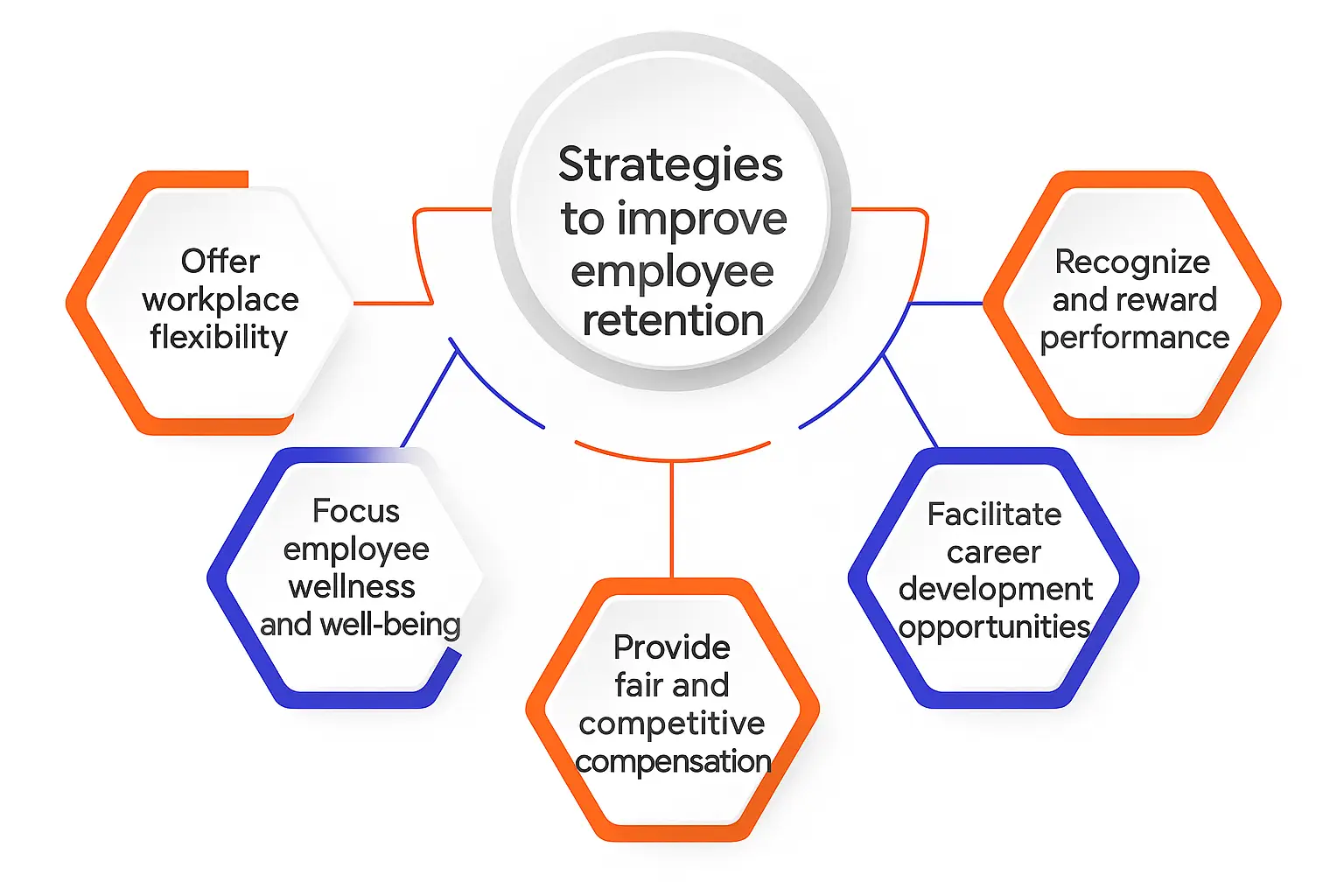
How to Keep Your Best People
If you want your employees to stay, you have to give them real reasons to. Here are four simple but powerful ways to build loyalty and reduce turnover.

1. Help Them Grow
People want to feel like they’re moving forward, not stuck in one place. Offer training, mentorship, and opportunities to learn new skills. When employees see that you’re invested in their growth, they’re more likely to invest in your company’s success.

2. Recognize and Appreciate Them
Everyone wants to feel valued. Take time to acknowledge good work—whether through bonuses, promotions, or even a simple thank-you. Recognition builds pride, motivation, and loyalty.

3. Support Work-Life Balance
Burnout drives good people away. Encourage flexibility, remote work options, and wellness programs. When employees feel cared for as people—not just as workers—they perform better and stay longer.

4. Create a Positive and Inclusive Culture
People stay where they feel respected and heard. Build a workplace that’s friendly, open, and inclusive. Encourage teamwork and communication. When employees enjoy coming to work, retention takes care of itself.

In Conclusion
Keeping your best people isn’t about stopping them from leaving—it’s about giving them every reason to stay. When employees feel supported, appreciated, and connected to your company’s vision, they’ll go above and beyond to help it succeed. As your team grows, so does your business.