In 2026, LinkedIn remains one of the most powerful tools for Nigerian professionals looking to access global opportunities, especially staffing and temporary (temp) roles with U.S.-based companies. Whether you are a skilled professional seeking contract work, remote gigs, or short-term placements through agencies like PELICAN USA, a strong LinkedIn profile can open doors that traditional applications often miss.

Recruiters and staffing firms increasingly use LinkedIn alongside Applicant Tracking Systems (ATS). A well-optimized profile not only helps you appear in searches but also builds credibility and makes networking easier. Here’s how to build a standout profile this year.

1. Start with the Fundamentals: Profile Completeness and Visuals: A complete profile ranks higher in LinkedIn’s algorithm and appears more professional to recruiters.

– Professional photo: Use a clear, high-quality headshot with a neutral or simple background. Dress as you would for a virtual interview. Avoid group photos, filters, or casual selfies.
– Banner image: Customize it. A clean design featuring your professional field, the Nigerian and U.S. flags subtly, or a simple message like “Open to Contract & Temp Opportunities – Available Globally” works well.
– Location and contact info: Set your location accurately (or “Open to remote / U.S. opportunities”). Add a professional email and, if relevant, a link to your portfolio or personal website.
– Open to Work frame (optional but useful): Turn on the “Open to Work” feature and select “Recruiters only” if you prefer privacy. Specify staffing, contract, temporary, and remote roles.

2. Craft a Powerful Headline and About Section: Your headline is the first thing people see in search results. Do not leave it as your current job title.

Strong headline formula for staffing/temp roles:

Write in the first person. Keep it scannable with short paragraphs or bullet points. Include:
– Your professional background and years of experience
– Specific interest in staffing/temp/contract roles
– Key achievements (use numbers where possible)
– Soft skills valued in temp environments: adaptability, quick learning, reliability, and remote collaboration
– A clear call to action (“Feel free to connect if you’re hiring for short-term or contract roles”)

3. Optimize for ATS and LinkedIn Search with the Right Keywords: Many staffing agencies and companies use ATS tools that scan LinkedIn profiles. Include relevant keywords naturally throughout your profile (headline, About, Experience, and Skills sections).

High-value keywords for Nigerian professionals targeting staffing/temp roles in 2026:
– Core role keywords: Contract, Temporary, Temp-to-Hire, Staffing, Contingent Workforce, Project-Based, Short-term Assignment
– Remote & global: Remote, Virtual, Cross-border, Time-zone flexible, Distributed Teams
– Industry-specific examples: Project Management, Agile, Scrum, Healthcare Staffing, IT Support, Customer Success, Administrative Support, Data Entry, Virtual Assistance, Nursing (Travel/Contract), Accounting, Digital Marketing
– Soft skills: Adaptable, Fast learner, Reliable, Client-facing, Multicultural communication, Remote collaboration
– Nigerian + global angle: Experience working with international clients, English fluency, familiarity with U.S. work culture or tools (Slack, Zoom, Microsoft 365, etc.)

Skills section:
Add at least 20–30 skills. Prioritize those that match job descriptions you are targeting. Ask colleagues or past clients to endorse your top skills.

4. Experience and Education: Make It Results-Focused

For each role:
– Use strong action verbs (Led, Delivered, Coordinated, Optimized)
– Quantify results (“Managed a team of 8 across three time zones,” “Reduced processing time by 30%”)
– Highlight short-term or project-based work if you have it—this shows you are comfortable with temp arrangements
– Mention any remote or international collaboration experience

If you have gaps or are transitioning, frame them positively (e.g., “Freelance project support” or “Independent consulting engagements”).

 5. Strategic Networking for Staffing and Temp Opportunities

A polished profile is only half the battle. Active networking drives results.

– Connect with the right people: Follow and connect with recruiters at staffing agencies (including PELICAN USA), U.S.-based hiring managers in your field, and other Nigerian professionals already working in contract roles.
– Engage thoughtfully: Comment on posts about remote work, staffing trends, or industry news. Share short insights or articles relevant to your expertise.
– Use LinkedIn posts: Occasionally post about your availability, a recent achievement, or lessons from remote work. Consistency builds visibility.
– Join relevant groups: Search for groups focused on “Remote Work Africa,” “Nigerian Professionals Abroad,” “Contract & Freelance Opportunities,” or industry-specific communities.
– Reach out with value: When messaging recruiters, keep it short and specific. Example: “Hi [Name], I noticed you recruit for contract roles in [field]. I have X years of experience in [skill] and am open to temporary or project-based opportunities. Happy to share my profile or availability.”

Final Tips for 2026

– Keep your profile updated monthly.
– Turn on Creator Mode if you plan to post content regularly.
– Request recommendations from former managers or clients; social proof matters.
– Review your profile on mobile; many recruiters check LinkedIn on their phones.

A standout LinkedIn profile positions you as a professional who is ready, reliable, and easy to place. For Nigerian talent targeting staffing and temp roles with U.S. companies, this combination of optimization and proactive networking is one of the highest-ROI activities you can do in 2026.

Ready to take the next step? Optimize your profile this week, then explore opportunities with trusted staffing partners who understand cross-border talent.
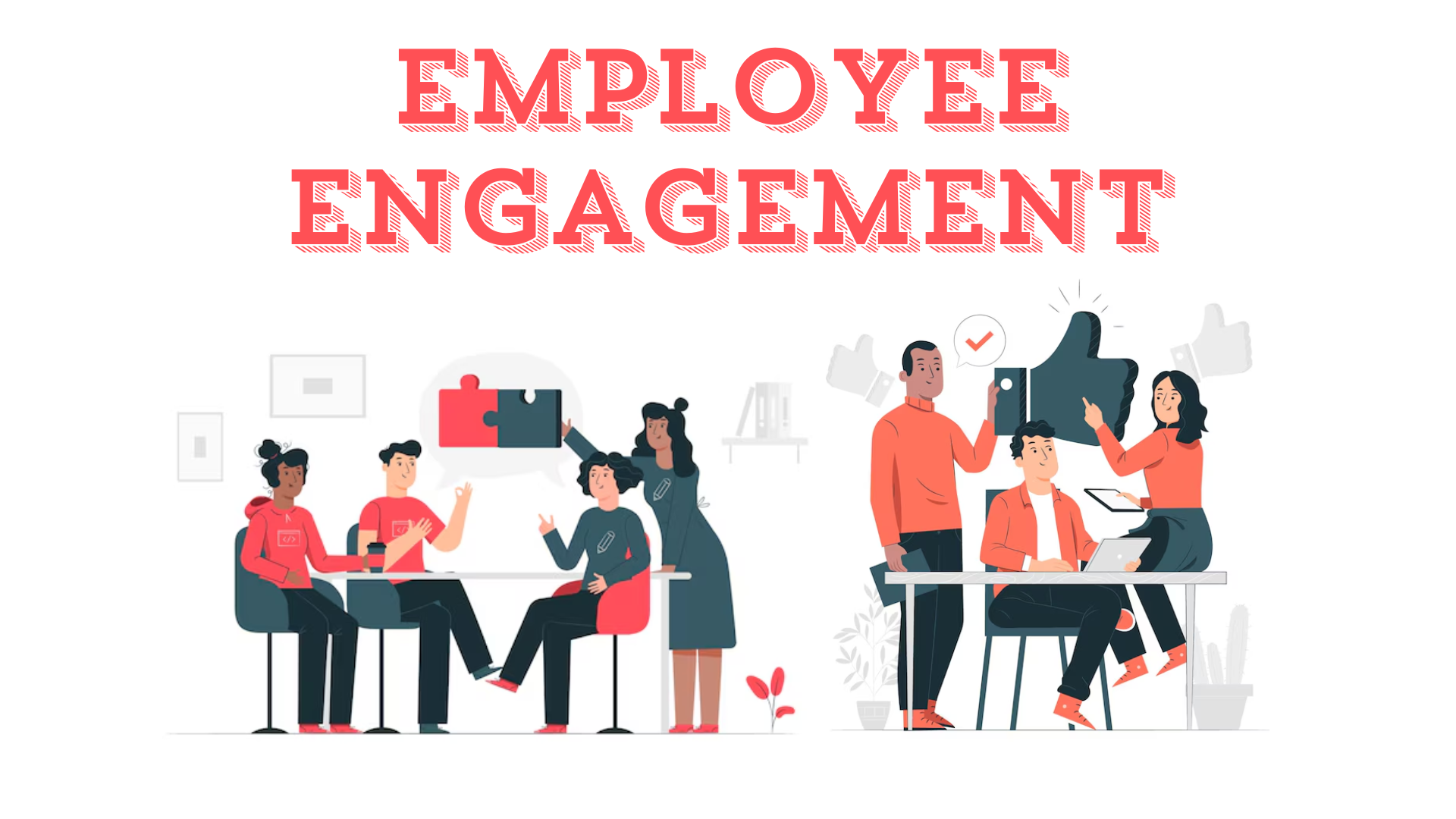

Engaged employees don’t just show up, they bring creativity, discretionary effort, and commitment that drive breakthrough results. In a world of quiet quitting and burnout, mastering employee engagement has become a top priority for forward-thinking organizations.

The Business Case for High Engagement Gallup research consistently shows that highly engaged teams outperform their peers by 21% in profitability. Engaged employees are also more innovative, customer-focused, and less likely to leave.

Practical Ways to Boost Employee Engagement

  1. Clear Purpose and Alignment: Help employees understand how their daily work contributes to the bigger organizational mission.
  2. Frequent Recognition and Feedback: Move beyond annual reviews. Implement real-time recognition platforms and weekly one-on-ones.
  3. Empowerment and Autonomy: Reduce micromanagement and give teams ownership over how they achieve goals.
  4. Support Well-being and Work-Life Balance: Mental health resources, flexible schedules, and genuine care for employee wellness pay huge dividends.
  5. Foster Collaboration and Community: Build strong team bonds through in-person or virtual team-building and cross-functional projects.

Measuring What Matters: Use pulse surveys, eNPS (employee Net Promoter Score), absenteeism rates, and productivity metrics to gauge engagement levels regularly.

Example in Action: Companies like Patagonia and Microsoft have built cultures where engagement fuels innovation, resulting in loyal customers and industry-leading performance.

Employee engagement is the bridge between human capital and organizational performance. When people feel valued, heard, and inspired, they deliver their best work. Review your current engagement initiatives and commit to making meaningful improvements this year.

How engaged is your team right now? What’s one change you could implement immediately to boost engagement?

Scaling a business in Nigeria as an SME is exciting but challenging, especially when it comes to building the right team without overspending. Many Nigerian SMEs struggle with high turnover, compliance issues, and inefficient hiring that drains cash flow. The good news? Smart workforce planning can help you grow your headcount strategically, keep costs low, and avoid expensive mistakes.

This post explores practical, budget-friendly approaches to workforce planning tailored for Nigerian SMEs. We’ll cover cost-effective staffing, the role of managed HR services, and the most common pitfalls to dodge.

What Is Workforce Planning and Why Does It Matter for Nigerian SMEs?Workforce planning is forecasting your staffing needs based on business goals, then aligning talent acquisition, development, and retention to meet them efficiently. In Nigeria, where SMEs drive much of the economy but face inflation, naira fluctuations, talent competition (especially in Lagos and Abuja), and strict labor laws, poor planning leads to overstaffing (high payroll costs) or understaffing (lost opportunities).

Studies show positive links between good workforce planning—like succession planning and demand forecasting—and better organizational performance in Nigerian SMEs.

Cost-Effective Staffing Strategies for Nigerian SMEs

1. Adopt a Hybrid Workforce Model
Mix permanent staff with freelancers, contractors, or part-timers. For non-core roles (e.g., accounting, IT support, digital marketing), use gig platforms or remote talent. This reduces fixed costs like full benefits and office space.

2. Leverage Digital Recruitment
Use free or low-cost channels: LinkedIn, Jobberman, WhatsApp groups, Facebook/Instagram ads, or local job boards. Define clear job descriptions upfront to attract better fits and cut bad hires.

3. Focus on Multi-Skilled Hires and Training
Hire versatile people who can handle multiple roles. Invest modestly in online courses (Coursera, Google Skillshop) or internal cross-training to build capacity without new hires.

4. Outsource Non-Core Functions
Staff outsourcing (e.g., for payroll, admin, or customer service) cuts overhead. Many Nigerian providers offer affordable solutions tailored to SMEs.

5. Implement Performance-Based Incentives
Tie bonuses or profit-sharing to results instead of high base salaries. This motivates staff and aligns costs with revenue.

These strategies help control expenses while scaling—many SMEs see lower turnover and higher productivity.

Benefits include:
1. Compliance Assurance: Handle Nigerian Labour Act requirements, like written contracts within 3 months, PAYE taxes, pension contributions, and minimum wage.

2. Payroll and Admin: Automated systems reduce errors and save time.

3. Recruitment and Onboarding: Access vetted talent pools.

4. Cost Savings: Pay-as-you-go models or packages suit small budgets.

Outsourcing lets you focus on core business while staying compliant—vital in Nigeria’s evolving regulations.

Common Pitfalls to Avoid in Workforce Planning

1. Hiring Without Clear Job Descriptions or Processes: Leads to mismatches, quick turnover, and wasted onboarding time.

2. Skipping Written Contracts and Compliance:  Verbal hires or missing terms violate the Labour Act, risking fines, disputes, or legal issues (e.g., from EFCC or labor ministry probes).

3. Ignoring Onboarding and Retention: Poor induction causes early exits; high turnover (common in SMEs) costs 1-2x salary to replace.

4. Overlooking Payroll Accuracy and Statutory Deductions: Errors lead to penalties, employee distrust, or tax issues.

5. No Succession or Growth Planning: Scaling stalls when key roles lack backups or staff see no career path.

6. Reactive Hiring: Waiting until overwhelmed causes rushed, expensive decisions.

7. Avoid these by starting small: Draft basic policies, use templates for contracts, and review staffing quarterly against goals.

Effective workforce planning isn’t about hiring more; it’s about hiring right, staying flexible, and using resources wisely. By embracing cost-effective models, managed services, and avoiding compliance slips, Nigerian SMEs can build resilient teams that fuel sustainable growth.

Start today: Assess your current staffing gaps, explore an HR outsourcing consultation, and commit to written processes. What workforce challenges are you facing in your SME? Share in the comments!

The future of work in Nigeria is changing fast right now in 2026. Our country has one of the youngest populations anywhere; most people are around 18 or 19 years old on average, with over 130 million of us in the working-age group. Every year, about 3.5 million young people join the job market. That’s a huge opportunity for growth and energy. But it’s not all smooth. There’s a big skills gap; many employers can’t find the right people with the skills they need. Things like AI, digital tools, cybersecurity, data analysis, engineering, and software development are in high demand, but a lot of graduates (around 85%) don’t have even basic digital skills. This mismatch is hurting the economy badly. The tech sector alone could be losing up to $11 billion every year because of it. By 2030, experts say 35-45% of jobs will need strong digital know-how, and we’re not quite there yet.

AI is speeding things up, too. More Nigerian businesses are using it to work smarter, which might replace some routine jobs in banking, farming, or office administration. At the same time, it’s creating new roles in things like AI teamwork, smart systems, and digital services. The gig economy is growing fast, think freelancing, ride-hailing, food delivery, and remote work. It gives flexibility and sometimes dollar earnings, but often no benefits, job security, or protections.

Programs like the government’s 3 Million Technical Talent (3MTT) initiative are trying to train millions in tech skills by around 2027, and it’s making progress with ongoing cohorts and assessments in 2026. Still, reskilling and upskilling are huge priorities for HR teams, especially with economic ups and downs, poor infrastructure in some areas, and many talented people leaving the country (“Japa”).

In short, the old way of just hiring in-house isn’t cutting it anymore for fintech startups, banks, manufacturing, oil & gas, or small businesses. Nigerian companies really need strategic staffing partners right now. These are expert firms (like outsourcing companies, Employer of Record services, or talent agencies) that basically become part of your team. They help build smart, flexible, and ready-for-the-future workforces.

What’s Next? Don’t Wait, Act Now!

Nigeria is at a make-or-break point. Sticking with old hiring ways could mean falling behind while the world races ahead, and our young population keeps growing. But teaming up with a strategic staffing partner turns these challenges into real strengths: better productivity, fresh ideas, and growth that includes everyone.

If your business in Nigeria is dealing with talent shortages, needing to scale, or just figuring out the future of work, 2026 is the moment to move. A good strategic partner isn’t extra; it’s essential to stay competitive and grow in Africa’s biggest economy. If this sounds like what you’re facing, reach out to us TODAY. The future of work in Nigeria is happening now. Make sure your team is ready to win it!

Many Nigerian businesses want to grow fast in 2026. But they face a big problem: they can’t find workers with the right skills. This is called a skills gap. It affects companies a lot, and it’s getting worse.

Recent reports show the truth:

  • 65% of Nigerian employers say skills gaps prevent their businesses from changing and growing (from the Future of Jobs Report 2025 by the Lagos State Employment Trust Fund).
  • 85% of graduates don’t have basic digital skills, like using simple computer tools (reports from NITDA and others in 2025).
  • Nigeria loses about $11 billion every year in the tech and digital economy because there aren’t enough skilled people. Many companies struggle to fill jobs in tech, data, AI, cybersecurity, and even basic office work.

This means businesses lose money, projects get delayed, and they can’t compete well.

What Causes the Skills Gap in Nigeria?

It’s not just one reason. Here are the main ones:

  • Schools teach old things: Many focus on theory, not real job skills like using software, problem-solving, or teamwork.
  • Fast changes in jobs: Tech like AI and digital tools grow quickly, but training doesn’t keep up.
  • Not enough practical training: Young people finish school without hands-on experience.
  • People leave Nigeria (“Japa”): Skilled workers go abroad for better pay, leaving gaps here.
  • Poor access to good education and the internet in many areas, especially outside big cities like Lagos.

How This Affects Businesses Right Now

  • Slow hiring: It takes longer to find the right person.
  • Lower work quality: Teams without skills make more mistakes or work more slowly.
  • Higher costs: Companies spend extra on fixing problems or training from scratch.
  • Lost chances: Businesses miss growth in fast areas like tech, fintech, and manufacturing.
  • In 2026, reskilling (teaching new skills) and upskilling (improving current skills) will be top priorities for HR teams.

Simple Ways to Fix the Skills Gap

  1. Work with partners who know hiring and training, like a good staffing company that finds talent and trains them.
  2. Focus on real skills: Look for digital skills, soft skills (like communication), and job-ready experience, not just certificates.
  3. Offer training programs: Teach your team new things quickly, like computer tools or leadership.
  4. Use flexible hiring: Start with contract or temporary staff to test skills, then make them permanent.
  5. Build long-term plans: Invest in your people so they stay and grow with the business.

How Pelican Staffing Solutions Nigeria Can Help

We are your partner for fixing skills gaps. We do everything:

  • Find the right people fast
  • We match workers with the skills you need
  • Manage your team
  • We help scale up or down without stress
  • Train your staff
  • We run simple, practical programs to build job skills, digital skills, and soft skills.

Many Lagos businesses already work with us. They hire quicker, keep good workers longer, and grow more easily. In 2026, the companies that win will be the ones that invest in people smartly. Don’t wait for the problem to get bigger.

Ready to Close Your Skills Gap?

Contact Pelican Staffing Solutions today. Let’s talk about your business needs, hiring, training, or both.

What Is Talent Retention
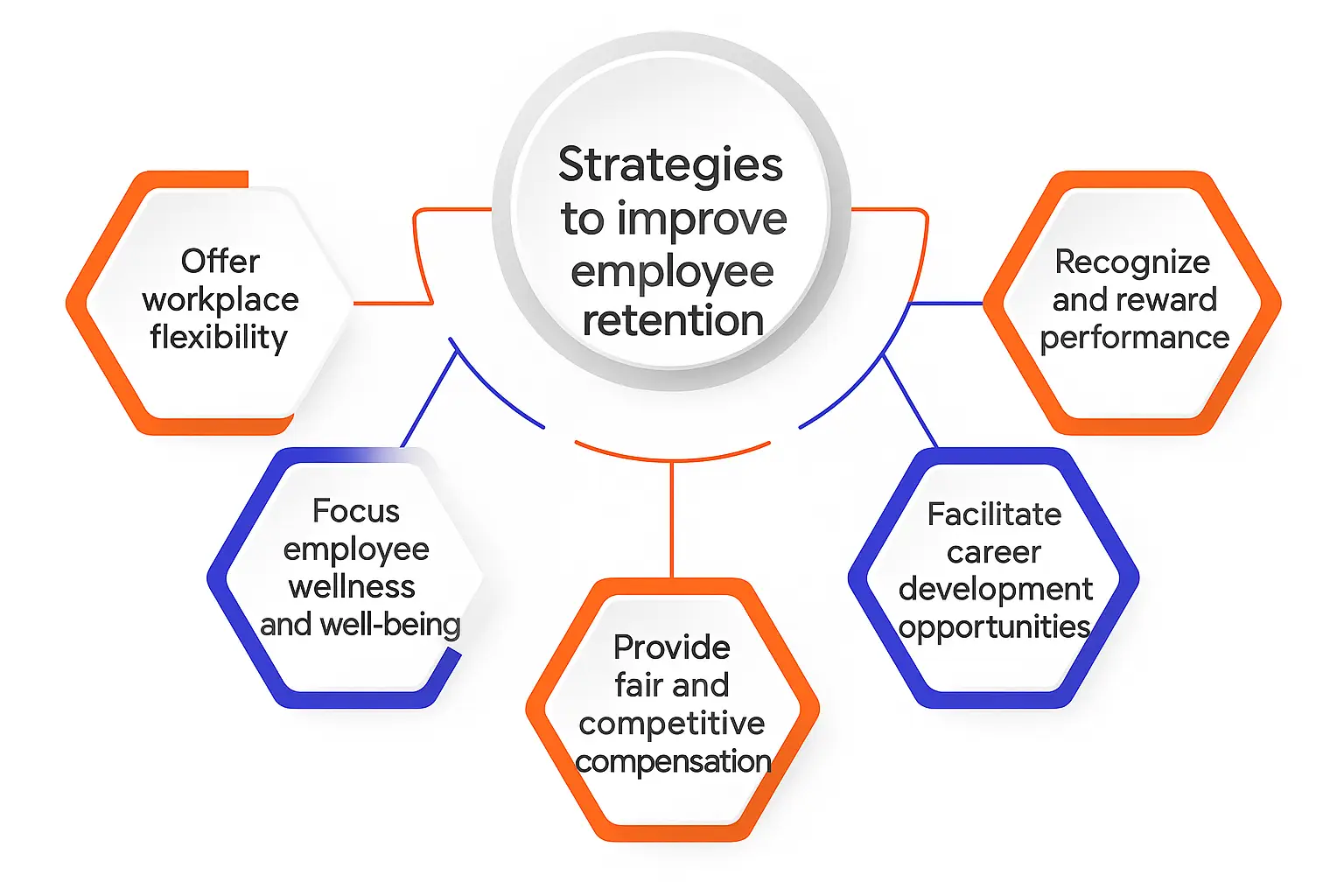
Talent retention involves creating an environment where your top employees choose to stay because they feel valued, supported, and see growth opportunities. It’s about building a workplace where people feel appreciated and connected to the company’s vision. This goes beyond paying good salaries; it includes offering opportunities to learn, recognizing great work, creating a healthy work-life balance, and fostering a sense of belonging. When people can see a future with your company, they’ll want to stay for the long haul.

Why Retaining Employees Matters
1. It Saves You Money
Replacing employees can be very expensive. Advertising jobs, interviewing, training, and onboarding all take time and money. In fact, replacing one employee can cost up to twice their annual salary. By focusing on keeping your team happy and engaged, you save both time and money—and build a more stable business.

2. It Improves Performance
Employees who feel valued work better. They’re more productive, more creative, and more committed to the company’s goals. Studies show that engaged employees can boost a company’s profitability by over 20%. That’s what happens when people love where they work.

3. It Strengthens Company Culture
When people stay, they help shape your company’s culture. They understand the values, the mission, and the goals—and they pass that energy on to others. A strong, stable team builds a strong, positive workplace culture.

4. It Attracts More Talent
Happy employees become your biggest advocates. They talk about your company, refer others, and help attract even more great talent. A company that retains its people naturally becomes a place others want to join.

How to Keep Your Best People
If you want your employees to stay, you have to give them real reasons to. Here are four simple but powerful ways to build loyalty and reduce turnover.

1. Help Them Grow
People want to feel like they’re moving forward, not stuck in one place. Offer training, mentorship, and opportunities to learn new skills. When employees see that you’re invested in their growth, they’re more likely to invest in your company’s success.

2. Recognize and Appreciate Them
Everyone wants to feel valued. Take time to acknowledge good work—whether through bonuses, promotions, or even a simple thank-you. Recognition builds pride, motivation, and loyalty.

3. Support Work-Life Balance
Burnout drives good people away. Encourage flexibility, remote work options, and wellness programs. When employees feel cared for as people—not just as workers—they perform better and stay longer.

4. Create a Positive and Inclusive Culture
People stay where they feel respected and heard. Build a workplace that’s friendly, open, and inclusive. Encourage teamwork and communication. When employees enjoy coming to work, retention takes care of itself.

In Conclusion
Keeping your best people isn’t about stopping them from leaving—it’s about giving them every reason to stay. When employees feel supported, appreciated, and connected to your company’s vision, they’ll go above and beyond to help it succeed. As your team grows, so does your business.